4 Minute Read
SCRIPTURE
2 Peter 2:20–22 (NASB95)
For if after they have escaped the defilement of the world by the knowledge of the Lord and Savior Jesus Christ, they are again entangled in them and are overcome, the last state has become worse for them than the first. 21For it would be better for them not to have known the way of righteousness, than having known it, to turn away from the holy commandment handed on to them. 22It has happened to them according to the true proverb, “A DOG RETURNS TO ITS OWN VOMIT,” and, “A SOW, AFTER WASHING, RETURNS TO WALLOWING IN THE MIRE.”
COWBOY WISDOM
Sorting pens move fast, and a hand working them doesn't always have time for a hot iron. So he marks what he's already sorted with a chalk stick or a dab of livestock paint — quick, cheap, good for one day's work. Problem is, that mark doesn't mean a thing by tomorrow. One good rain, one roll in a wet trap, and the chalk's gone like it was never there. The hot iron brand burned in at branding time is a different matter entirely. It doesn't wash off, wear off, or rain off. That animal can roll in every wallow on the place and the brand's still there, because it isn't on the hide — it's in it.
That difference is exactly what Peter is pointing at. Some who "escaped the defilement of the world by the knowledge of the Lord and Savior Jesus Christ" get "entangled in them again and overcome," and Peter says plainly that their last state is worse than the first. That's not a believer stumbling — every believer stumbles. That's a mark that was never actually burned in. It looked like a brand for a while. It even held up through a few easy days. But it was chalk.
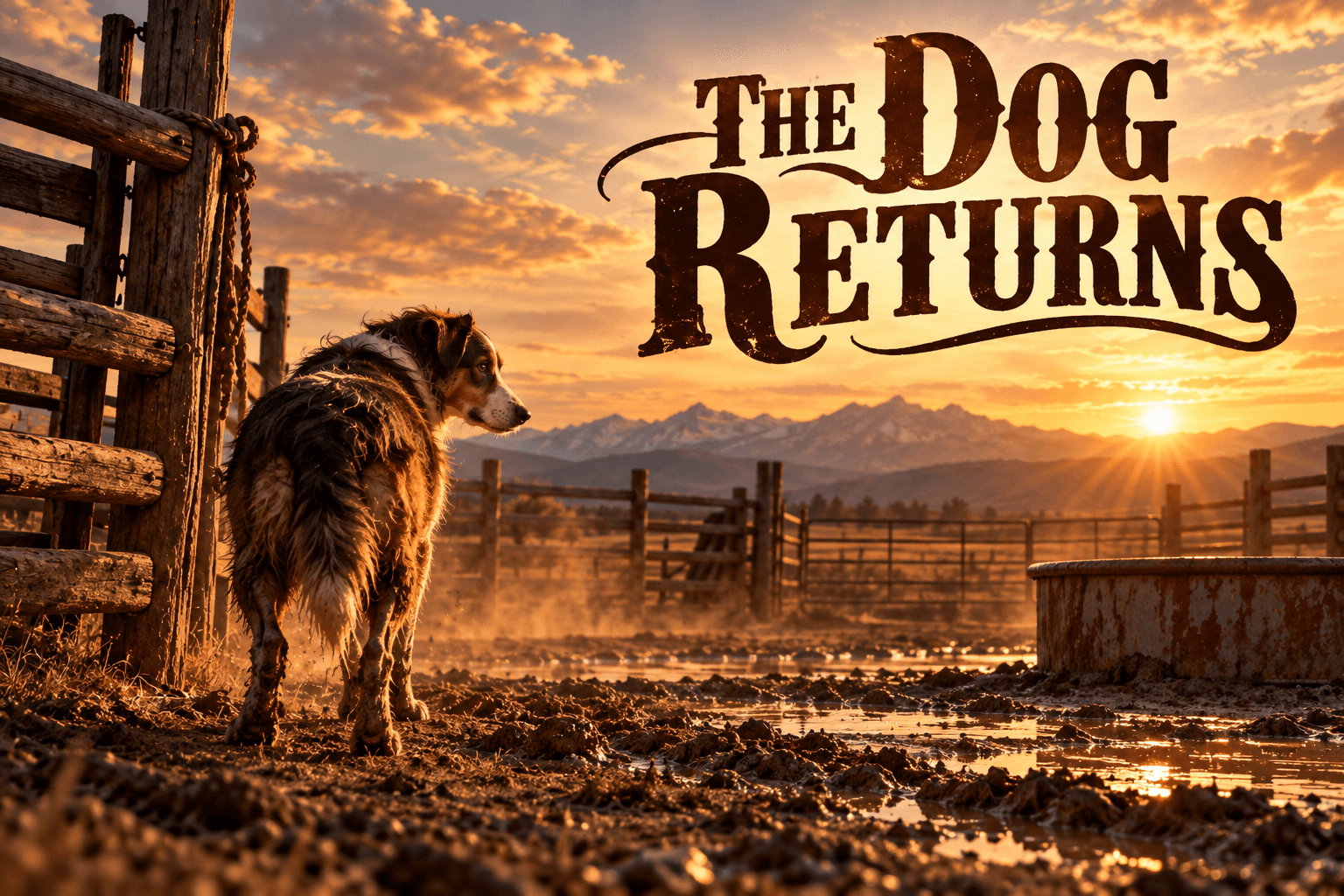
Then Peter reaches for the bluntest picture in the whole letter: “A dog returns to its own vomit,” and “a sow, after washing, returns to wallowing in the mire.” It's not a flattering comparison, and it isn't meant to be. A dog that returns to what it just got sick on, a hog that climbs right back into the mud bath it was just scrubbed out of — that's not a creature that changed its nature for a season. That's a creature acting exactly like what it still is underneath the washing. The scrubbing was real. The nature wasn't touched.
This is a hard word, but it's not meant to terrify every believer who's ever had a bad season — it's meant to sharpen our eyes about the difference between a mark that fades and a mark that's burned in. Jesus put it plainly: “You must be born again” (John 3:7). Behavior can be scrubbed, dressed up, even maintained for a good while on willpower alone. Only God does the kind of branding that holds through every wallow a hog ever finds. If all you've got is chalk, ask Him for the iron.
QUESTIONS FOR REFLECTION
- Have you seen someone — maybe even yourself — look genuinely changed for a season before drifting back to old patterns? What do you think was underneath that?
- Peter's proverb about the dog and the sow is blunt and unflattering. Why do you think God's Word uses such a hard picture to describe returning to sin after professing faith?
- How can you tell the difference in your own life between a surface change you've managed through willpower and a real change the Spirit has worked in you?
- Is there an area where you've been relying on habit and effort rather than asking God to do a deeper, permanent work in you?
PRAYER FOCUS
Lord, I don't want a mark that only lasts until the next hard rain. Search me and show me anywhere I've mistaken a scrubbing for a new birth. Do the kind of work in me that holds through every wallow this life throws at me — not chalk, but iron; not behavior, but a new nature. In Jesus' name, Amen.